Write-Up Created By-Hayden Bynum
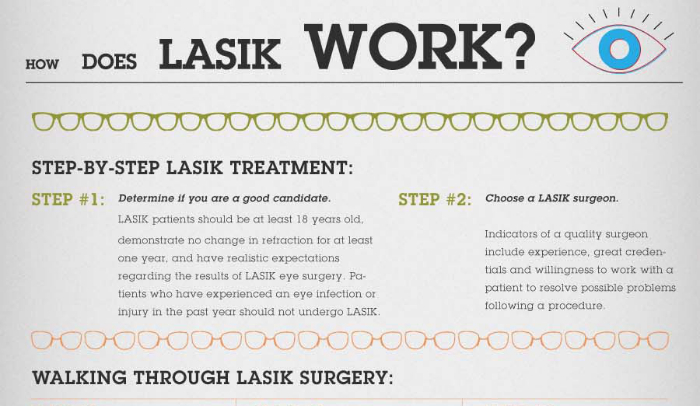
Deciding to undergo LASIK eye surgery is a major decision, which can greatly enhance your quality of life. With the promise of clearer vision and the potential to reduce dependence on glasses or contact lenses, it is essential to ensure that you are selecting the best surgeon for this important procedure. Engaging with an experienced LASIK surgeon can make all the difference in achieving the best possible result.
When you prepare for your appointment, posing the right inquiries can help you gain a greater understanding of the surgeon's credentials and the specifics of the treatment. It is particularly important to determine if the surgeon focuses in no-blade LASIK techniques or other advanced options available. By approaching your search with information and curiosity, you can assuredly embark on your journey toward improved vision.
Qualifications and Expertise
When considering LASIK surgery, one of the most critical factors is the qualifications of the doctor. An experienced LASIK doctor should have completed a degree in medicine from an accredited institution, followed by a training in ophthalmology. Further additional training in refractive surgery and laser technology is important to ensure the doctor is well-versed in the most recent techniques and developments in the field. Inquire about their educational background and any additional certifications they may hold, particularly those specific to LASIK surgery.
Experience plays a significant role in the effectiveness of LASIK procedures. Potential patients should inquire how many LASIK procedures the surgeon has performed and what their success rates are. A seasoned laser eye doctor will have a significant number of procedures under their belt and should be able to provide their outcomes with prospective patients. Understanding the surgeon's expertise in handling various eye disorders and complications can provide further confidence in their skills.
Additionally, it is beneficial to know if the doctor employs bladeless LASIK methods, which can offer various benefits over conventional approaches. Doctors who specialize in no-blade LASIK should be well-trained in the use of cutting-edge laser technologies that improve precision and reduce recovery time. Ensure that your doctor remains up-to-date with technological advancements and continuously participates in training and learning within the field.
Technology and Advancements
When evaluating LASIK procedure, it is essential to understand the equipment and techniques your surgeon employs. An skilled LASIK specialist should be well-versed in the most recent advancements in laser eye surgery. This includes the use of state-of-the-art diagnostic devices that can analyze your cornea with precision, guaranteeing optimal results tailored to your individual eye situation.
All-laser LASIK, also known as bladeless laser vision correction, uses laser systems to create the flap in the cornea without the use of a conventional blade. This method provides enhanced safety and accuracy, minimizing the risk of complications. A capable surgeon will be able to explain how this method varies from traditional techniques and why it may be the most suitable option for your situation.
Additionally, inquire about the multiple laser systems your doctor uses during the procedure. Understanding how these lasers operate and their benefits can help you make an wise decision. A skilled laser eye surgeon will guide you through the entire process, including pre-surgery assessments and post-operative care, guaranteeing you feel secure in your selection.
Protection and Hazards
When thinking about Lasik surgery, it is essential to discuss possible risks with your surgeon. While the procedure is generally safe, like any medical intervention, it comes with some inherent risks. Complications can include dehydrated eyes, glare, halos, or even vision loss. https://issuu.com/cutarellivision experienced Lasik surgeon will provide you with a practical view of the possible outcomes and help you weigh the risks against the benefits.
Another important factor is the techniques used during the procedure. A no-blade Lasik surgeon utilizes advanced laser technology that may reduce some conventional risks associated with the blade-based approach. This method allows for greater precise corneal reshaping, which can lead to better vision outcomes and a lower likelihood of issues. It’s important to ask your surgeon about the technology they use and how it impacts safety.
Lastly, personal health factors play a significant role in the safety of Lasik surgery. Pre-existing conditions such as severe dry eye, autoimmune disorders, or unstable vision may raise the likelihood of issues. Ensure you discuss your medical history in detail with your laser eye surgeon to identify any potential red flags and assess if you are a suitable candidate for the procedure. A comprehensive evaluation will help ensure that your decision is based on both safety and informed consent.
Post-Operative Care
Following your LASIK procedure, it is imperative to adhere to your surgeon's post-operative care guidelines carefully to ensure optimal healing and vision recovery. It is common to feel some discomfort, such as a dry feeling or a sand-like sensation in your eyes. Your trained LASIK surgeon will probably prescribe moisturizing eye drops to relieve these symptoms and promote healing. Be diligent in applying these drops as directed, as they will aid in maintaining your eyes comfortable during the recovery process.
In the days after your surgery, avoid activities that could stress your eyes or subject them to irritants. Precision Laser Lasik Surgeon like reading, using a computer, or watching television should be limited initially to prevent discomfort. Additionally, you should refrain from swimming, hot tubs, or any situation where your eyes could be subjected to water or chemicals. Follow any instructions provided by your laser eye surgeon regarding the time you can return to regular activities, as these advice are tailored to your individual recovery process.
Regular follow-up check-ups with your LASIK surgeon are essential for tracking your recovery. During these visits, your surgeon will assess your healing progress and address any concerns you may have. It is important to discuss openly about your vision and any discomfort, as these meetings will help ensure that you achieve the best possible outcome from your blade-free LASIK surgery. Trust in your surgeon’s expertise, and follow the aftercare recommendations for a smooth recovery.